
The Centre for Research in Infectious Diseases (CRID), in partnership with the National Malaria Control Programme (NMCP) and with financial support from the Clinton Health Access Initiative (CHAI), is implementing an innovative pilot project aimed at strengthening malaria surveillance and diagnostic data quality in the Garoua-Boulaï Health District, East Region of Cameroon.
 The initiative seeks to improve the accuracy, reliability, and integrity of malaria Rapid Diagnostic Test (RDT) reporting through a systematic verification process combining manual counting of used RDT cassettes with digital image analysis using the HealthPulse TestNow™ application. The project responds to persistent discrepancies observed in reported Test Positivity Rates (TPRs), particularly within routine DHIS2 (District Health Information Software 2) reporting systems, where unusually elevated positivity rates have raised concerns regarding diagnostic accuracy and the rational use of Artemisinin-based Combination Therapies (ACTs).
Capacity Building of Frontline Health Workers
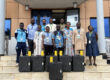
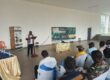
In February 2026, CRID conducted an intensive training programme for healthcare workers and Community Health Workers (CHWs) across the Garoua-Boulaï Health District. The training aimed to strengthen the capacity of frontline providers in accurate malaria diagnosis, proper interpretation of RDT results, standardized reporting procedures, safe storage of used RDT cassettes, and the effective integration of digital validation technologies into routine clinical practice. Participants were trained on national malaria diagnostic guidelines, including correct blood sample collection, adherence to reading timelines, classification of positive, negative, and invalid results, immediate documentation of test outcomes, and monthly validation procedures. Special emphasis was placed on the proper storage and segregation of used RDT cassettes to facilitate independent verification and ensure traceability throughout the study period. The training sessions were facilitated by a multidisciplinary CRID team comprising Dr. Nguetsa Franck, Clinical Trial Monitor; Dum Buo Nnamdi, Social Scientist; Gadji Mahamat, Research Assistant; and Ngala Nadège, Economist.
Formative Supervision and Verification Activities
As part of the project’s continuous quality improvement and data validation framework, CRID conducted a formative supervision mission from May 1–3, 2026 across the 16 participating health facilities and associated CHWs within the Garoua-Boulaï Health District. The supervision exercise formed part of the routine monitoring and operational strengthening activities implemented under the study. The supervision aimed to reinforce adherence to standard operating procedures (SOPs) for malaria diagnosis, RDT storage, documentation, reporting, and strengthen the quality and consistency of malaria surveillance data generated at both facility and community levels.
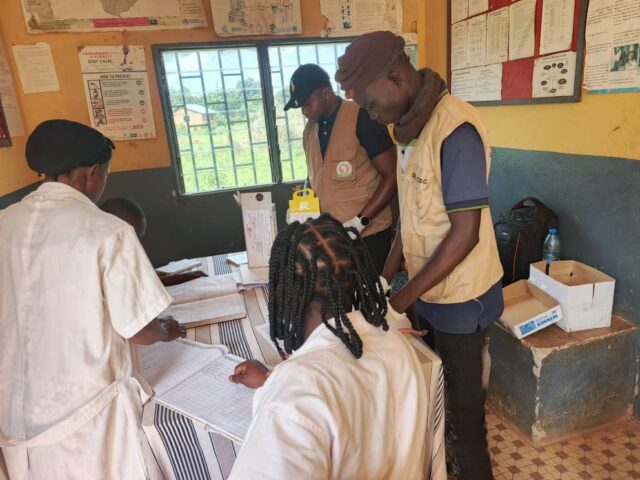
During the supervision, CRID teams conducted on-site mentorship and supportive coaching for healthcare workers and CHWs, reviewed laboratory, consultation and Monthly Activity Reports records and assessed consistency between source documents and reported data. The teams also supported facilities and CHWs in correctly labeling and organizing used RDT storage boxes in accordance with the newly standardized storage and labeling procedures introduced under the project. Used RDT boxes corresponding to April 2026 were collected and prepared for subsequent verification activities.
Following the formative supervision, a second CRID field team returned to the Garoua-Boulaï Health District from May 15–16, 2026 to conduct the manual and digital verification exercise for the April 2026 RDT data. During this activity, used RDT cassettes collected from health facilities and CHWs were systematically subjected to manual counting and independent digital verification using the HealthPulse TestNow™ application. The verification exercise aimed to compare routine malaria data reported through facility registers and DHIS2 with independently verified RDT results in order to assess discrepancies in Test Positivity Rates (TPRs), strengthen data integrity, and improve the reliability of malaria surveillance systems. The verification process also provided an opportunity for further engagement with frontline healthcare workers and district teams on data quality improvement, reporting harmonization, and implementation challenges identified during the supervision phase. Together, the formative supervision and subsequent verification exercise represent critical components of the project’s integrated quality assurance strategy designed to improve malaria diagnostic accuracy, strengthen surveillance systems, and support evidence-based malaria control interventions in Cameroon.
About the RDT Reader Pilot Project
The RDT Reader Pilot Project is an eight-month implementation study funded by CHAI and conducted in collaboration with CRID and the Cameroon NMCP, as well as with district health authorities in the Garoua-Boulaï Health District, East Region of Cameroon. The project involves CHWs and healthcare providers across 16 participating health facilities and aims to strengthen malaria surveillance by improving the accuracy, reliability, and quality of malaria Rapid Diagnostic Test (RDT) reporting through manual and digital verification approaches.
Garoua-Boulaï was strategically selected for the pilot because of its high malaria burden, elevated test positivity rates, and its unique epidemiological and operational context. Located along the Cameroon–Central African Republic border, the district experiences substantial cross-border movement, refugee influxes, and intense population mobility, all of which contribute to sustained malaria transmission and increased pressure on the health system. The district also has active community-based malaria services through Integrated Community Case Management (iCCM), high routine malaria testing volumes, and relatively accessible operational conditions, making it an ideal setting for evaluating innovative approaches to malaria diagnostic quality assurance, surveillance strengthening, and rational use of ACTs.
Through this initiative, CRID reaffirms its commitment to advancing high-quality malaria surveillance, strengthening diagnostic systems, and supporting evidence-based malaria control strategies in Cameroon. By combining field supervision, manual RDT verification, and digital validation technologies, the project aims to improve data integrity, enhance accountability within routine reporting systems, and optimize malaria case management practices. The evidence generated from this pilot is expected to inform national strategies for malaria surveillance strengthening and contribute to the potential scale-up of innovative RDT verification approaches in Cameroon and similar malaria-endemic settings.