
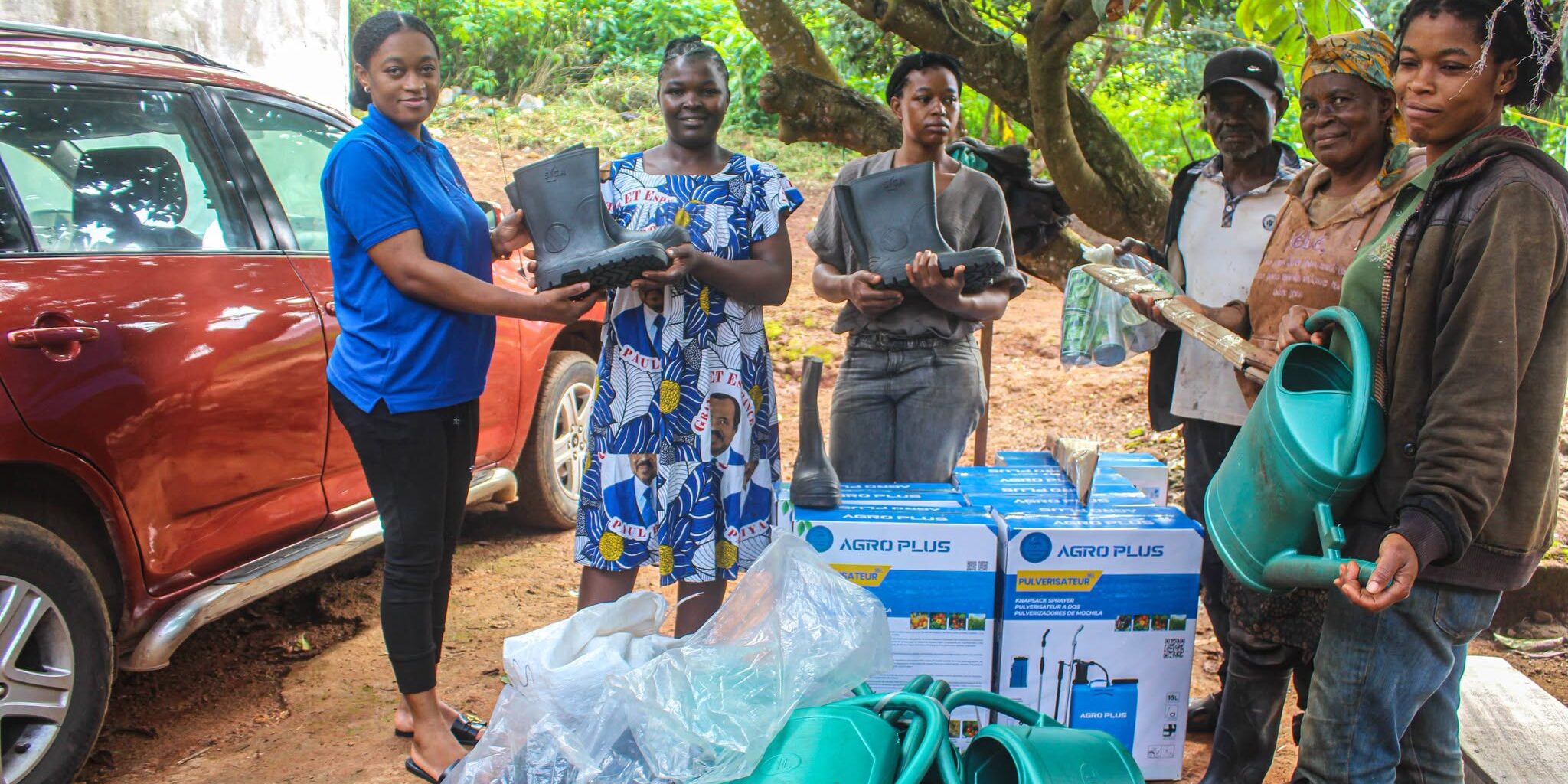
In a significant step toward addressing the growing threat of antimicrobial resistance (AMR), researchers involved in ICARS-funded project in Cameroon are actively supporting urban farmers through hands-on collaboration and practical assistance.
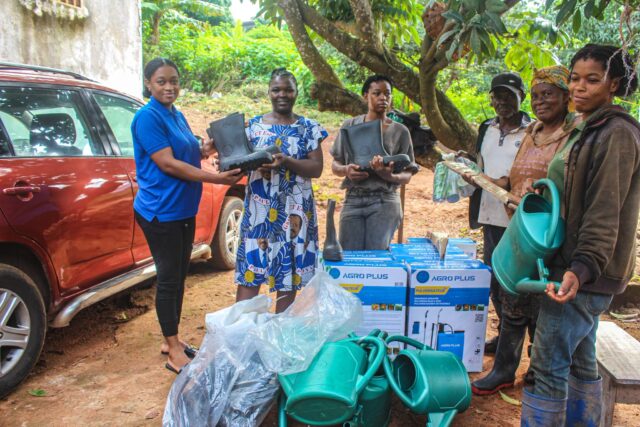
The ICARS research team distributes essential agricultural equipment
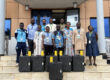
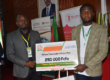
On 13 June 2026, the research team distributed essential agricultural equipment to approximately twenty urban farmers in the areas of Nkolodom, Ekounou, and Nkolbisson. Recipients received seeds, machetes, boots, watering cans, and backpack sprayers, tools designed to enhance their daily operations while strengthening community ties. This distribution was accompanied by interview simulations aimed at refining fieldwork methods, ensuring that data collection and farmer engagement remain effective and respectful throughout the project.
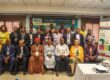
The initiative highlights the project’s strong emphasis on partnership rather than top-down intervention. Prof. Blaise Bougnom, Principal Investigator, underscored this collaborative spirit during interactions with beneficiaries. He described the project as research conducted jointly with farmers, built on genuine partnership and shared goals. Complementing this perspective, Prof. Henri Rodrigue Ngamaleu, the project’s social psychologist, noted that the activity helps lay the “foundations of a collaborative pathway,” fostering trust and long-term cooperation between researchers and the communities most affected by wastewater-related challenges in urban farming.
This field activities were coordinated by Audrey Enengbine, Project Manager, and Dr Gérard De La Paix Bayiha, Agricultural Economist, reflecting the multidisciplinary nature of the team. By equipping farmers and involving them directly in the research process, the project seeks not only to gather valuable insights but also to empower participants to adopt safer practices.
During the month of July 2026, an intensive 14-day field data collection campaign was successfully carried out across Nkolondom, Ekounou, and Nkolbisson, key urban and peri-urban sites of study. Guided by the project’s One Health approach, this phase aimed to deeply document the behaviors, practices, perceptions, and environmental conditions that may facilitate the circulation of AMR risks in urban agricultural systems that rely on potentially contaminated wastewater. A team of six trained field investigators, equipped with robust training in ethical procedures, qualitative and observational techniques, conducted the activities to generate a rich empirical foundation for understanding how urban farming, commercialization, and consumption patterns intersect with antimicrobial resistance challenges in Cameroon.
This blend of immediate community support and long-term scientific inquiry makes the ICARS project a compelling model for tackling complex environmental and health issues. As the initiative progresses, the continued engagement of urban farmers will be crucial to translating research findings into real-world strategies that reduce AMR while promoting sustainable urban agriculture in Cameroon and beyond.
The project, titled “Preventing the Spread of Antimicrobial Resistance (AMR) from Wastewater through Urban Agriculture in Cameroon,” embodies a participatory One Health approach that brings together scientists, social experts, and local farming communities to develop sustainable solutions.