
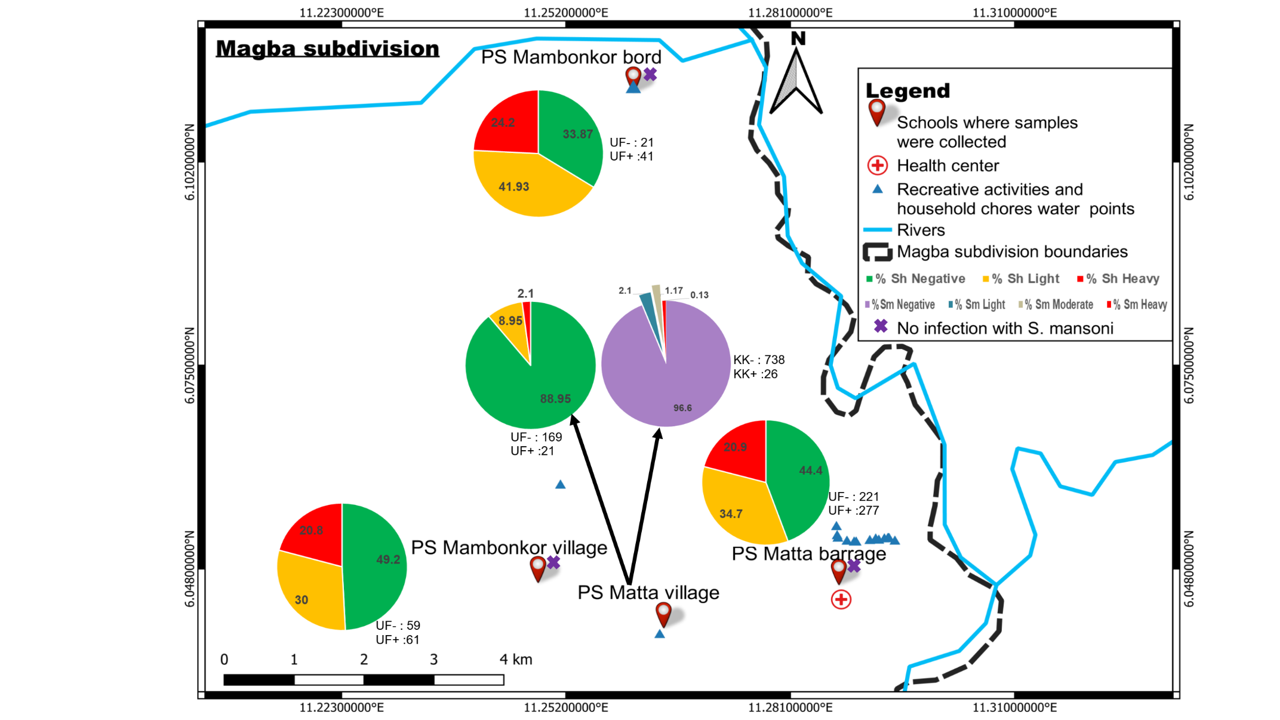
Fig 2. Distribution of S. haematobium and S. mansoni infections and their infection intensities according to villages of Matta health area.
PS: Public school, Sh: Schistosoma haematobium, Sm: Schistosoma mansoni, KK + : Number of children carrying S. mansoni eggs in each village; KK-: Number of children without S. mansoni eggs in each village, UF + : Number of children carrying S. haematobium eggs in each village, UF-: Number of children without S. haematobium eggs in each village
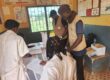
This study led by Dr Estelle Mewamba, Post-doctoral researcher, has uncovered important findings about infections affecting children in the Matta health area of Cameroon’s West Region. The research focuses on two types of parasites: schistosomes and soil-transmitted helminths (STHs), and how they relate to children’s growth and nutrition. Schistosomiasis is caused by parasitic worms that live in freshwater. Children can get infected through contact with contaminated water. STHs are intestinal worms spread through soil contaminated with human waste. These infections are common in parts of sub-Saharan Africa and can affect children’s health, especially in areas with poor sanitation.
What Did the Study Find?
High rates of urinary schistosomiasis (45.8%) were found, mostly caused by Schistosoma haematobium. The worst-hit villages were Mambonkor bord and Matta barrage. In addition, intestinal schistosomiasis caused by Schistosoma mansoni was only found in Matta village. STHs were rare, with only 2.5% of children infected, a sign that control efforts may be working. Interestingly, while infected children were more likely to be underweight, the study found no link between these infections and shortness or thinness, which are other signs of poor growth. This suggests that many factors, not just infections, influence children’s development.
What Needs to Be Done?
Despite efforts to control schistosomiasis and STHs, urinary schistosomiasis is still spreading. The researchers recommend a more integrated approach, including: Preventive treatment for children; snail control, since snails help spread the parasite; better water, sanitation, and hygiene (WASH) programs. This study gives health officials and policymakers the most detailed map yet of where these infections are happening in the Matta area. With this information, they can better target high-risk communities and improve national disease control programs. This study was published in PLOS Neglected Tropical Diseases Journal. Read more: https://doi.org/10.1371/journal.pntd.0013606