
On December 4, 2025, a focus group discussion was held in Nkolondom (1 & 2) and Nkolbisson as part of the ICARS-funded project on Preventing AMR Spread from Wastewater through Urban Agriculture in Cameroon.
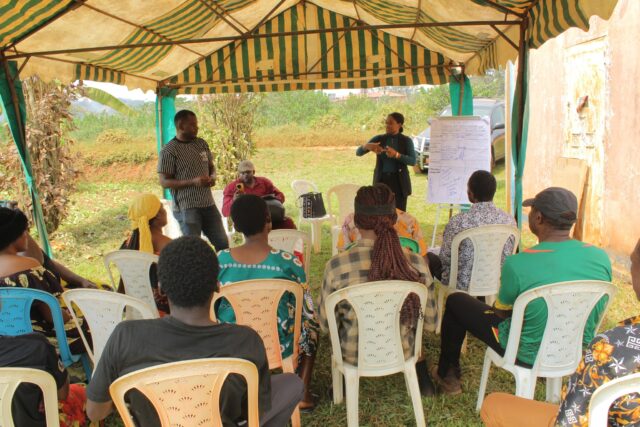
Audrey Enengbine, Project manager, during the focus group discussion
The session was guided by Dr. Gérard De La Paix Bayiha, Agricultural Economist, and Mr. Lienou Miterand, Social Psychologist. The purpose of the meeting was to engage farmers in discussions about the key cost and benefit variables in their production activities, and present the study’s objectives and expected outcomes. The methodology for the focus group was carefully designed to ensure meaningful participation. Detailed planning went into participant sampling and profiling, while activities were structured to encourage open dialogue and effective engagement among local farmers from each site. Discussions were conducted in a productive environment, allowing participants to share their experiences and perspectives in a collaborative setting.
In this research, Cost-Benefit Analysis will be used to estimate the costs and benefits of technological innovations introduced to farmers in the three selected sites: Nkolondom 1, Nkolondom 2, and Nkolbisson. These innovations are intended to reduce antimicrobial resistance in urban agriculture and improve the sustainability of farming practices.
Objectives and Expected Outcomes
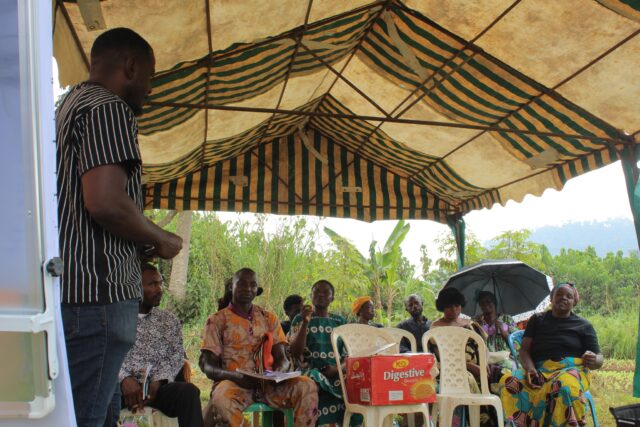
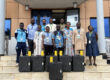
Some farmers in Nkolondom locality
The focus group discussions were organized for two main reasons. First, these sessions served as a foundation for building the project database, as farmers had not yet been officially selected for that. Second, they provided an opportunity to better understand potential divergences and convergences among farmers regarding the preselected cost and benefit variables. The main objective was to discuss, refine, and validate these variables with the farmers, ensuring that they would be used to establish a reliable baseline situation in each study site. More specifically, the discussions aimed to highlight the major variables for the study, define the farmer profile matrix, map the vegetable crops produced, and estimate the sample size in each location.
The expected outcomes from this discussion include valuable insights into the role of urban agriculture in combating antimicrobial resistance and strategies for implementing effective practices. A comprehensive timeline and modalities for participant support were established to ensure smooth execution of the study. This marks an important step toward developing actionable solutions to address the challenge of antimicrobial resistance in urban environments. This initiative funded by the International Centre for Antimicrobial Resistance Solutions (ICARS) is hosted by CRID and led by Prof. Blaise Bougnom. Running until March 2029, the project aims to interrupt the transmission of AMR and pathogens from wastewater used for irrigation to households. By combining scientific research with community engagement, the project seeks to safeguard public health while strengthening sustainable urban agriculture in Cameroon.