
From 5th – 14th November 2025, Research Assistant Fleuriane Djondji participated in the Bacterial Genomics Workshop at the Institute of Genomics and Global Health (IGH), Redeemer’s University, Nigeria.
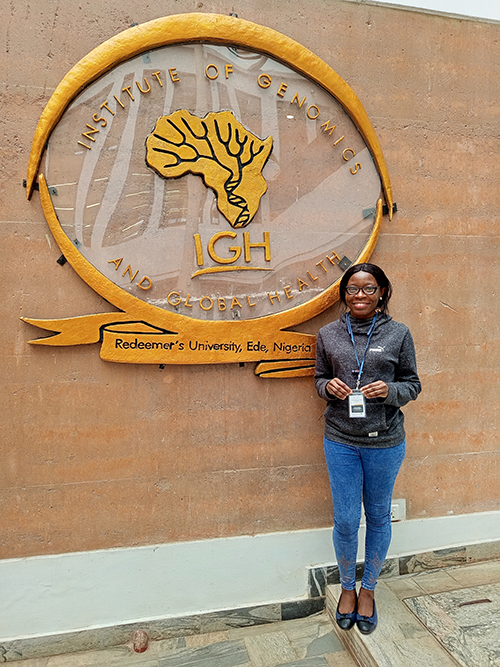
Fleuriane Metissa Djondji, Research Assitant and PhD Candidate
Fleuriane’s attendance formed part of the African Centre for Vector Genomics (AVecGen) project hosted at CRID and funded by Gates Foundation. This intensive, hands-on training program focused on advanced microbial genomics techniques. Participants from diverse countries gained practical skills in sequencing, bioinformatic analysis, and genomic surveillance, while also fostering collaboration among young African scientists to strengthen research capacity across the continent.
Knowledge Exchange and Networking
The workshop created a rich environment for exchanging ideas and approaches. Reflecting on her experience, Fleuriane Djondji shared: “I had the chance to interact with international trainers and experts in bacterial genomics, including Dr. Haroun, a bioinformatician at the IGH Centre. I hope to pursue an internship at this institution to work with him and gain hands-on experience in bioinformatic analyses, including shotgun sequencing”.
The most valuable takeaway was the hands-on experience in bacterial genomics, from Deoxyribonucleic Acid (DNA) extraction and sequencing to bioinformatic data analysis. These skills will directly enhance Fleuriane’s contributions to CRID’s research, particularly in whole-genome analysis of bacteria to identify genes involved in insecticide degradation and antimicrobial resistance. In line with AVecGen’s goal of strengthening CRID’s sequencing platform as a regional genomics hub, the expertise gained will support the establishment of a microbial genome sequencing facility. This will expand CRID’s capacity to process diverse samples and address critical challenges in microbial genomics across the region
Looking Ahead
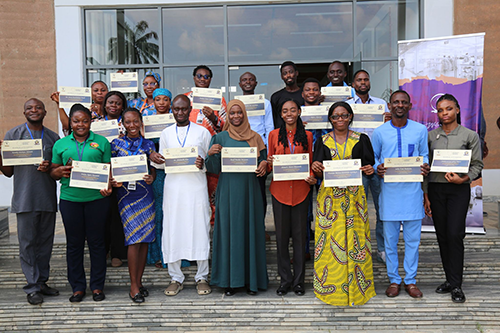
Family picture
Beyond technical skills, the workshop emphasized the importance of collaboration, scientific rigor, and innovative approaches. The connections Fleuriane made with fellow researchers and early-career scientists specializing in antimicrobial resistance laid the foundation for future collaborations on genomic research projects. Her participation in this workshop represents a significant step forward in strengthening regional capacity, advancing genomic research, and addressing pressing public health challenges in Africa.